How Custom Homes Are Shaping the Future of Residential Construction
The demand for individualized living spaces reflects broader shifts in societal values and technological capabilities. As homebuyers seek more than just shelter, custom homes offer tailored solutions that align with modern lifestyle aspirations. This blog showcases how they are at the forefront of a rapidly changing residential construction sector.
Embracing Personalized Design and Architecture
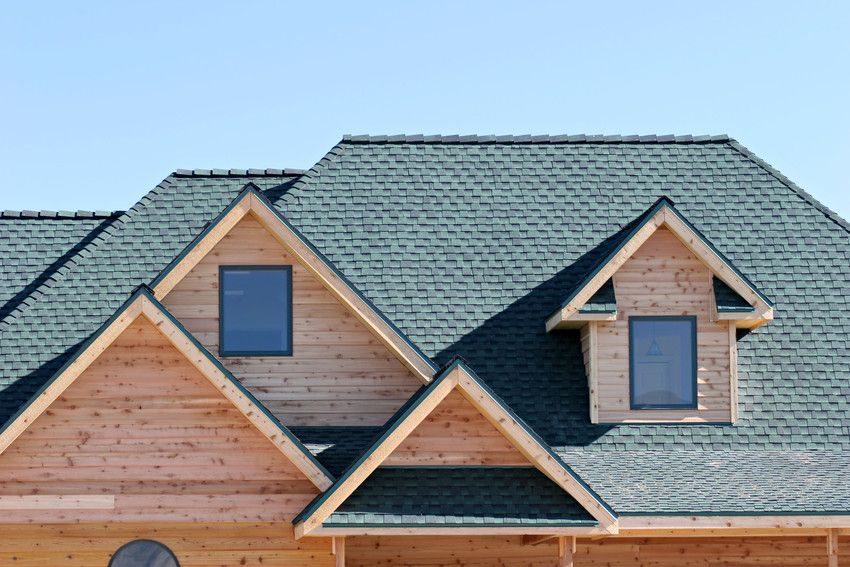
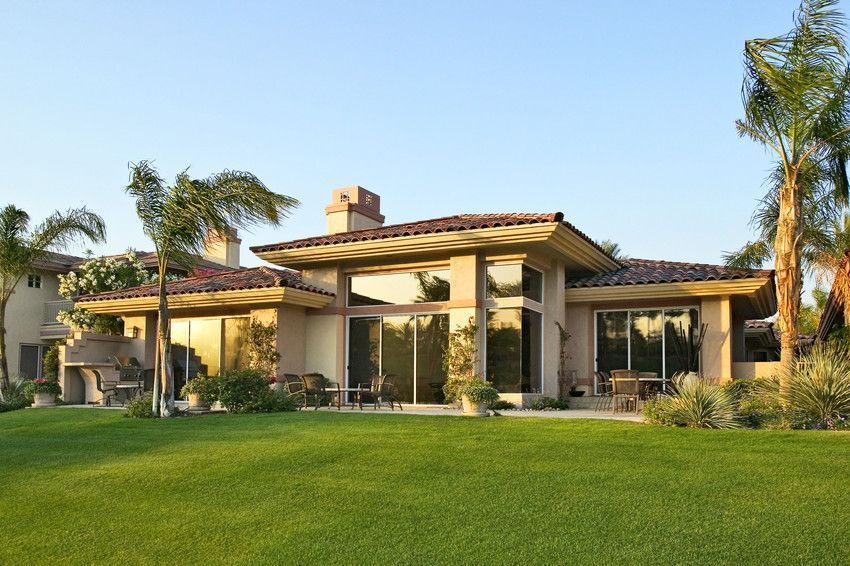
Custom homes epitomize the evolving preferences of modern homebuyers who seek personalization in their living spaces. According to the National Association of Home Builders, custom homes now make up nearly 19% of single-family starts. This shift has driven architects and builders to push creative boundaries, blending individuality with functionality. Integral to this trend is the fusion of modern and traditional styles, enabling homeowners to enjoy the comforts of contemporary living while preserving timeless elements. In response, custom homebuilders are producing designs that seamlessly integrate diverse architectural styles to suit varied customer desires.
Flexibility in floor plans has become a cornerstone of custom home design. Unlike traditional builds, which often come with predetermined layouts, custom homes provide homeowners with the freedom to shape interiors according to their specific needs. This adaptability accommodates various life stages and family dynamics, from single professionals to multi-generational households. The role of architects and designers is crucial in this process, as they balance creativity with technical feasibility to bring personalized ideas to life. Consequently, neighborhoods are seeing a vibrant mix of homes that enhance aesthetic diversity and contribute to a rich architectural tapestry.
The rise of custom homes also impacts neighborhood aesthetics, often elevating the overall visual appeal of residential areas. As personalized designs become more prevalent, communities are characterized by distinct yet harmonious architectural styles. This individuality fosters a sense of pride among homeowners, as they reside in houses that are not mere replicas of their neighbors'. Furthermore, the customization of homes encourages builders to employ higher quality materials and craftsmanship, which can increase the long-term value of the entire neighborhood. Thus, the influence of custom homes extends beyond individual properties, shaping the identity and desirability of both new and existing communities.
Integrating Advanced Construction Technologies
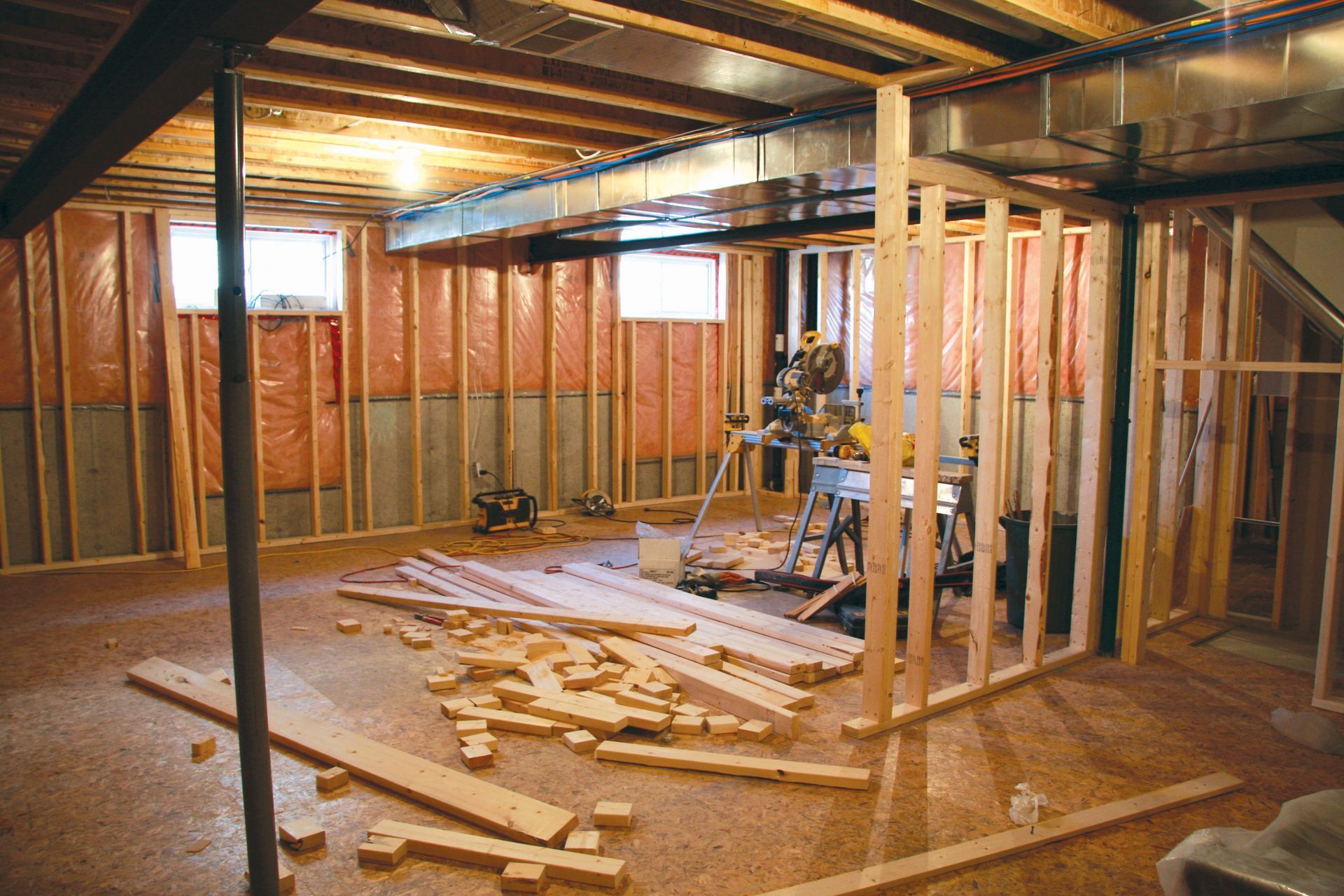
Prefabrication and modular building methods are gaining traction in custom home construction due to their efficiency and reduced environmental impact. By assembling components off-site, builders can minimize construction waste and reduce the overall build time. This approach allows for greater precision and quality control, as modules are constructed in controlled factory environments. Building Information Modeling (BIM) further supports this trend by enabling detailed digital simulations that improve design accuracy and construction management. As custom homeowners prioritize sustainability and quality, the adoption of prefabrication and BIM technologies will likely expand in the coming years.
Incorporating renewable energy solutions, such as solar panels and geothermal systems, is increasingly common in custom homes. These technologies not only reduce environmental impact but also offer long-term cost savings for homeowners. However, the integration of advanced technologies presents challenges, such as the need for skilled labor and the initial investment costs. Despite these obstacles, the industry is witnessing significant opportunities as consumers become more environmentally conscious and financially savvy. Custom homebuilders are thus well-positioned to lead the shift towards eco-friendly residential construction by offering energy-efficient and sustainable living solutions.
Prioritizing Sustainable Building Practices
The rising demand for energy-efficient homes is driving innovation in the custom home market. Homebuyers are increasingly aware of the long-term cost benefits and environmental advantages of energy-efficient homes. Custom home builders respond by incorporating advanced insulation, energy-efficient windows, and state-of-the-art HVAC systems. These features not only lower utility bills but also enhance indoor comfort and air quality. In an era of escalating energy costs and environmental concerns, custom homes positioned at the forefront of sustainable living practices are particularly appealing to environmentally conscious buyers.
Sustainable materials are another cornerstone of eco-friendly custom home construction. Utilizing materials such as reclaimed wood, recycled metal, and non-toxic finishes reduces the environmental footprint of new homes. Builders are finding innovative ways to integrate these materials into custom designs without compromising aesthetics. Water conservation techniques, such as rainwater harvesting and low-flow fixtures, further complement these efforts. By prioritizing sustainability, custom homes align with broader societal shifts towards climate-conscious living, setting industry standards that traditional builds are beginning to follow.
Navigating Economic Factors in Custom Home Construction
The cost comparison between custom homes and traditional builds often reveals significant differences, though this varies widely based on design complexity and material choices. While custom homes can be pricier upfront, they offer value through superior craftsmanship and personalized features. The economics of custom construction are further supported by the availability of specialized financing options, such as customization loans. These financial products cater specifically to the nuanced needs of the custom homebuyer, making the process more accessible. As homebuilders explore ways to enhance affordability, the higher initial costs of custom homes are often offset by their long-term benefits.
Market trends indicate that the value proposition of custom homes extends beyond personal satisfaction. With a growing segment of homebuyers willing to invest in personalized designs, custom homes are witnessing an uptick in demand. Future valuation of these properties is bolstered by their unique appeal and the increasing popularity of custom features. The role of developers and builders is pivotal in navigating these economic drivers; they must balance profitability with innovation to meet evolving buyer expectations. By doing so, they ensure the sustained growth of the custom home sector within the larger real estate market.
Long-term financial benefits for homeowners make custom homes an attractive investment. Beyond energy savings, custom features can significantly enhance a property's resale value. Tailored design elements and high-quality materials contribute to a lasting appeal that stands the test of time. This enduring value proposition attracts not only current homebuyers but also potential future purchasers seeking distinctive and well-crafted residences. As such, investing in a custom home is not merely a lifestyle choice but a strategic financial decision that aligns with broader trends in the real estate market.
Addressing Regulatory and Legal Requirements
The permits and approvals process for custom homes can be intricate, necessitating careful coordination with local authorities. Builders must secure various permits, from initial zoning clearances to final occupancy certificates. This process ensures that custom homes meet all requisite standards and inspections, providing peace of mind to homeowners. Protecting unique architectural plans ensures that homeowners retain control over their investment's originality, preventing unauthorized reproductions and preserving design integrity.
Establishing clear terms and conditions at the outset helps mitigate these risks, fostering transparency and trust. Government initiatives and incentives, such as green building subsidies and tax credits, further support the custom home industry by reducing barriers to entry. These policies encourage environmentally responsible practices and reinforce the economic feasibility of custom homebuilding, promoting its continued growth and evolution.
Custom homes are set to redefine the future of residential construction by offering individualized designs, embracing technology, and promoting sustainability. These trends not only cater to personal tastes but also address environmental and economic concerns, making custom homes a vital component of modern living. By focusing on each client's unique vision and goals, Palmwood Construction helps homeowners create spaces that are both functional and enduring. As the demand for customized, energy-efficient, and thoughtfully designed homes continues to grow, custom builders will remain at the forefront of innovation, shaping the future of residential living for generations to come.