Quality Home Renovations That Unlock Your Property's Full Potential
Quality home renovations are a significant undertaking that can dramatically transform your daily living environment while building long-term equity. Whether you are executing a minor room refresh or a complete interior overhaul, strategic updates breathe new life into an older property. They provide immediate opportunities to incorporate modern designs, improve functional flow, and increase energy efficiency. Additionally, thoughtful home renovations substantially increase the resale value of your property, yielding a high return on investment. The key is to approach the entire process strategically, ensuring each update contributes positively to both your lifestyle and the property's market value.
renova
Assessing Your Renovation Needs
Before breaking ground, a comprehensive assessment establishes a clear direction for your project. Understanding current market trends guides decisions on which changes will appeal most to future buyers. Popular features like open floor plans, energy-efficient appliances, smart technology, and sustainable materials ensure that your home renovations remain relevant and appealing. Simultaneously, evaluating your property's structural integrity prevents costly surprises. Hiring a licensed inspector to assess foundational stability, plumbing capacity, and electrical systems ensures your new improvements rest on a solid base.
Identifying your specific lifestyle preferences is equally crucial when planning home renovations. Whether a growing family needs additional living space or a professional requires a quiet dedicated home office, aligning your architectural updates with daily habits guarantees functional comfort. Finally, balancing these personal desires against long-term financial growth solidifies your choices as wise investments. According to This Old House, the 30% rule of home renovation advises spending no more than 30% of your home’s market value on remodeling to avoid over-improving. Establishing a disciplined budget with a contingency buffer keeps your financial plan secure throughout the construction process.
Transforming Kitchens and Bathrooms
Modernizing kitchens and bathrooms delivers some of the highest cost-effective returns of any interior improvement project. Today's kitchens function as multi-purpose hubs for cooking, dining, and social gatherings. Updating cabinetry, quartz countertops, and durable flooring refreshes the aesthetic while adding practical utility. Incorporating central islands and open sightlines optimizes spatial layout, making the area feel inviting and expansive. Selecting high-efficiency appliances reduces ongoing energy and water consumption, lowering monthly utility bills while appealing to sustainability-minded future buyers.
Upgrading bathroom features similarly transforms basic functional zones into private, spa-like retreats. Simple improvements such as installing modern water-saving fixtures, LED lighting, and custom tile showers dramatically enhance daily comfort. Adding double vanities and frameless glass enclosures increases accessibility and visual appeal, especially in compact spaces where floating vanities and built-in niches maximize usable floor area. Minor, high-impact changes like fresh paint, updated cabinet hardware, and modern plumbing trims keep project costs reasonable while generating substantial visual impact and property value.
Enhancing Exterior Features and Curb Appeal
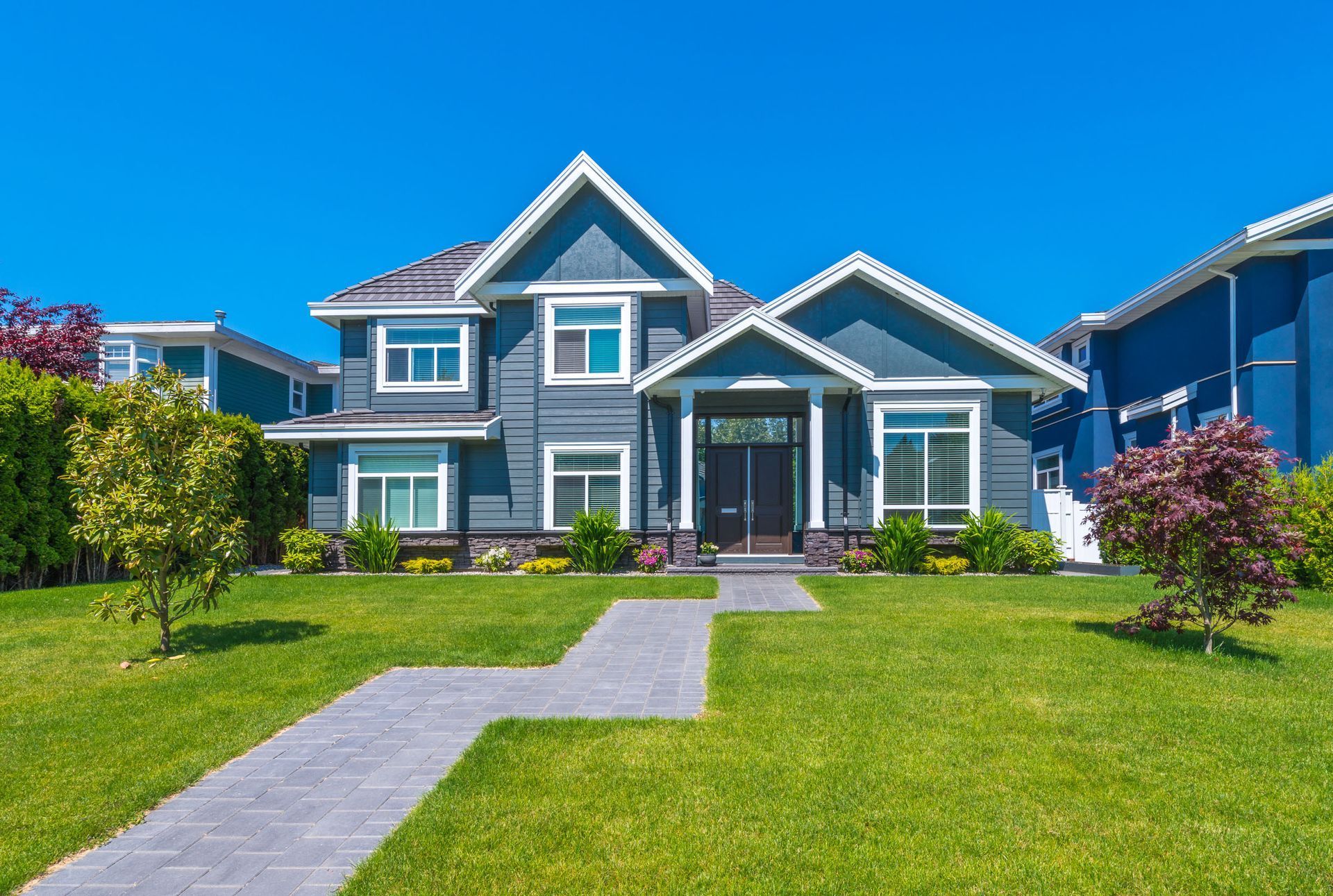
First impressions matter, and upgrading your property's exterior presentation significantly enhances curb appeal while protecting the underlying structure. Thoughtful landscaping and garden design create an inviting atmosphere from the moment guests arrive. Incorporating native plants, stone pathways, and low-maintenance greenery improves environmental sustainability while establishing clean, architectural lines around your home. Updating outdated exterior facades with modern composite siding, stone veneer, or a fresh coat of weather-resistant exterior paint revives the structure's visual character and protects building materials against severe weather damage.
Expanding functional living space into the outdoors is another highly desirable feature in modern residential design. Constructing custom decks, stone patios, or covered pergolas transforms underutilized backyards into versatile entertainment zones for social gatherings or quiet relaxation. Additionally, performing essential maintenance on roofing, gutters, and drainage systems preserves the structural integrity of your investment. Upgrading to energy-efficient roofing materials and installing smart LED exterior lighting improves property security, highlights architectural details at night, and ensures your home remains safe, efficient, and visually striking.
Optimizing Interior Spaces and Layouts
Reimagining interior layouts allows homeowners to maximize functionality without necessarily expanding the building footprint. Open floor plans remain popular because removing non-load-bearing walls creates seamless transitions between kitchen, dining, and living areas. This structural continuity maximizes natural light distribution and fosters a cohesive communal environment. For smaller footprints, optimizing space requires creative solutions such as multi-functional furniture, vertical shelving, and built-in storage to eliminate clutter while preserving comfortable traffic flow throughout the home.
Selecting interior decor trends with timeless appeal ensures your home renovations retain their value over time. Earthy color palettes, natural wood tones, and minimalist finishes build warm, sophisticated interiors that adapt easily to changing personal tastes. Creating flexible, multi-functional rooms—such as guest bedrooms that double as home offices—caters to modern living demands. Furthermore, integrating smart home automation, including digital thermostats, automated lighting controls, and integrated security systems, aligns your living space with modern technology standards, enhancing everyday convenience and property equity.
Implementing Eco-Friendly and Sustainable Upgrades
Incorporating sustainable building practices into your home renovations reduces environmental impact while generating direct financial savings. Installing renewable energy systems, such as rooftop solar panels or high-efficiency heat pumps, decreases reliance on traditional energy grids and lowers monthly utility expenses. Utilizing recycled or sustainable materials—such as reclaimed wood, recycled metal accents, and low-VOC paints—improves indoor air quality and lends unique character to your interior spaces. Sustainable material choices reflect a commitment to environmental stewardship that resonates strongly in today's housing market.
Upgrading insulation and window performance plays a vital role in maintaining continuous indoor climate control. Installing double or triple-pane energy-efficient windows alongside high-grade thermal insulation minimizes heat transfer, keeping living spaces comfortable year-round while reducing HVAC strain. Pairing these insulation upgrades with water conservation technologies, such as low-flow faucets and dual-flush toilets, further cuts household utility consumption. Managing construction waste responsibly through material recycling and job-site repurposing ensures that your home renovations remain environmentally conscious from start to finish.
Navigating Permits and Professional Consultation
Executing a successful remodeling project requires careful attention to legal requirements, building codes, and professional oversight. Thoroughly research local building codes before beginning construction to ensure all structural, electrical, and plumbing alterations satisfy municipal safety standards. Securing required building permits prevents costly project delays, administrative fines, and potential issues during future real estate transactions. Establishing a clear timeline and working alongside certified inspectors keeps your project compliant and running smoothly according to plan.
Selecting experienced, reputable contractors is one of the most critical steps in achieving high-quality home renovations. Review contractor credentials, verify liability insurance, and examine past project portfolios to ensure their craftsmanship aligns with your expectations. A detailed written contract outlining the complete scope of work, material specifications, payment milestones, and estimated completion dates protects both parties and fosters clear communication. Additionally, review your homeowner's insurance coverage prior to construction to safeguard your investment against potential site liabilities, ensuring complete peace of mind throughout the renovation process.
Quality home renovations efficiently blend practical utility with elevated aesthetic appeal, driving long-term property value and enhancing daily living standards. By understanding current market trends and following strategic financial guidelines like the 30% rule, homeowners can navigate remodeling projects that satisfy personal preferences while securing strong financial returns. Whether updating kitchens, enhancing curb appeal, or integrating sustainable building systems, successful improvements marry modern conveniences with timeless design. Partnering with licensed experts, securing necessary municipal permits, and maintaining clear project oversight ensures a seamless construction experience. Ultimately, well-planned home renovations do not just refresh a living space; they build a durable, high-value asset that grows over time. When you are ready to unlock your property's full potential with expert craftsmanship and personalized service, trust the experienced team at Palmwood Construction to bring your vision to life.