How to Choose the Right Custom Home Builder on Florida's Nature Coast
Building a custom home is a significant investment, and choosing the right custom home builder is crucial, especially in the unique setting of Florida's Nature Coast. This guide will help you navigate the process and make an informed decision when selecting a custom home builder in this picturesque region. Every step of the process is important. The choice of a builder influences not just the quality of the final product but also the experience of getting there. This article breaks down essential factors that will guide your selection process.
Florida's Nature Coast offers a rich landscape and favorable climate, making it an appealing place to build your dream home. However, the region's unique environmental characteristics necessitate a builder who is intimately familiar with local conditions. Selecting the right builder can help mitigate environmental impact while also navigating the specific local building codes and zoning regulations. Because of these complexities, choosing a builder is not just a box to check; it's a decision that can make or break your new home project. Hence, it demands thorough due diligence.
This guide is designed to serve as a comprehensive resource that distills the complexities of selecting a custom home builder into manageable steps. From initial planning to finalizing your decision, we'll walk you through each stage of the process. By following along, you'll be equipped to make a choice that aligns with both your vision and practical needs. With a focus on communication, transparency, and expertise, you'll be set for a successful relationship with your builder.
Defining Your Dream Home
Defining what you want in your dream home is the first crucial step in the building process. This part of the process requires introspection as well as practical considerations. Begin by listing elements that are non-negotiable, such as the number of bedrooms, the style of architecture, or special features like a home office or a gourmet kitchen. Your dream home should also consider your lifestyle and hobbies, adding spaces that can enhance them. Once you have a clear concept, it'll provide direction and purpose to your construction project.
Moreover, it's essential to translate your vision into clear, actionable points. Create mood boards or visual references to better communicate your thoughts to potential builders. This aids in ensuring that your chosen custom home builder understands not just the tangible aspects, but the essence of your dream home. Discuss these ideas with your family members, as their input can reveal valuable insights or considerations that you might overlook. Consequently, a well-expressed vision lays the groundwork for a successful partnership with your chosen custom home builder.
According to the National Association of Home Builders, custom home build companies tend to work on 10 or fewer projects annually to concentrate more specifically on each client. This generally allows builders to maintain personalized attention to detail and achieve a closer alignment with each client's vision. Your defined dream thus serves as a lasting guide as you engage different builders and assess whether they can bring your vision to fruition.
Considering Future Needs
While planning your dream home, also consider how your needs might evolve over the coming years. What works for you today might not necessarily serve you well in a decade. If you plan on expanding your family, adding more functional space like extra bedrooms or larger living areas might be wise. Alternatively, if you're nearing retirement, consider features that will make aging in place easier, such as single-story living or adding handrails and ramps. By contemplating future needs, you maximize the longevity and usefulness of your new home.
To project future needs, think about your career trajectory and lifestyle changes. Will you be working from home more frequently? Perhaps dedicating a space for a home office or gym would be prudent. Such considerations help in determining additional features or rooms that could be useful. Even if you sell the house later, these thoughtful designs can add value, making it an attractive option for a wider array of potential buyers. This foresight, therefore, serves both personal comfort and future market appeal.
Deciding on the Style and Design
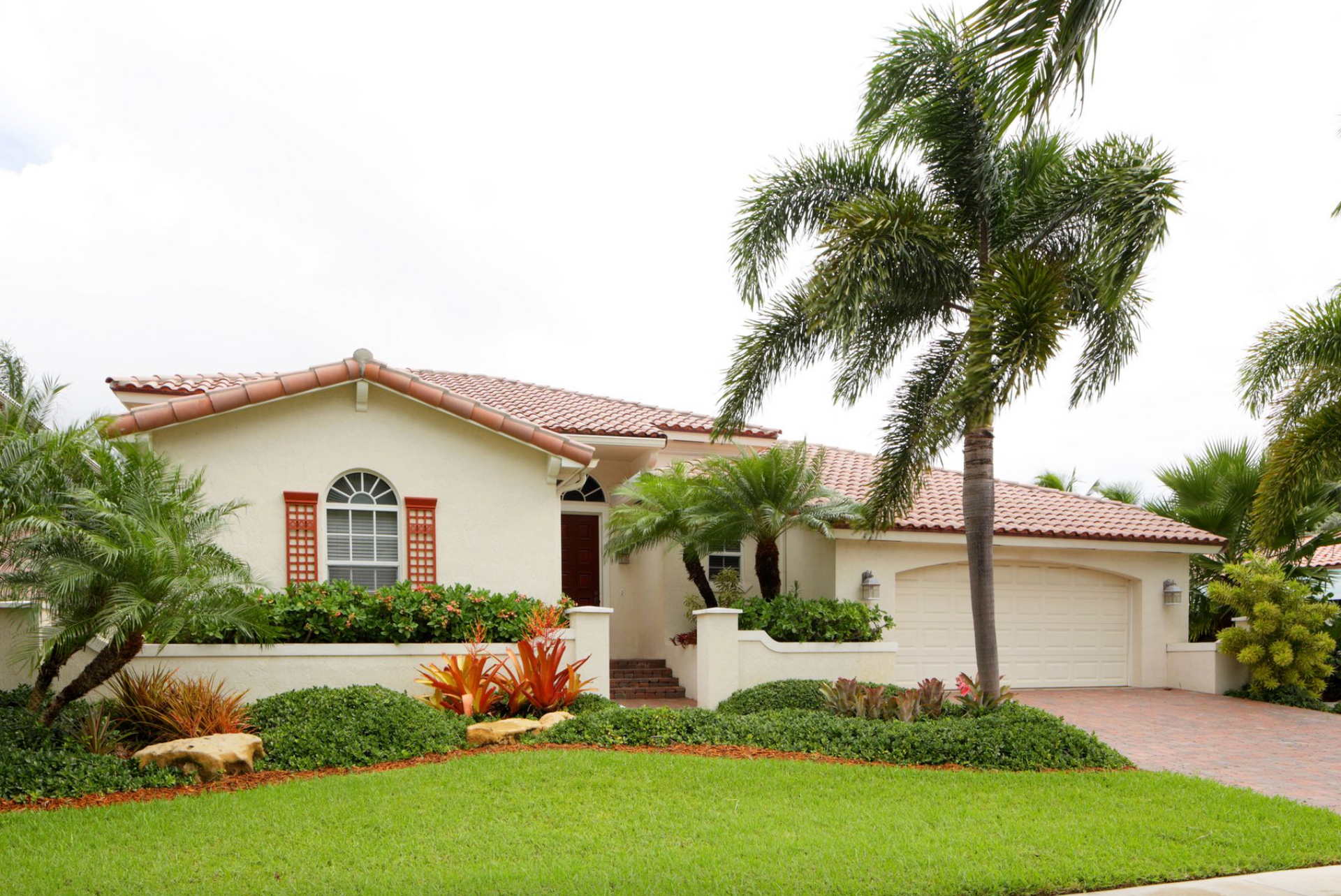
Deciding on a building style and design is vital as it provides a concrete form to your vision. The architectural style selected should resonate with your personality while complementing the natural surroundings of Florida's Nature Coast. A coastal style with large open spaces and weather-resistant materials can be advantageous in this region. Alternatively, a Mediterranean style with stucco exteriors and terracotta roof tiles can offer aesthetic appeal as well as functional utility. Please consider aligning your chosen style with both function and flair.
Your choice of design should also consider modern elements along with traditional ones. Interior aesthetics can be customized extensively, blending ample natural lighting and spacious layouts. Prioritize elements like energy efficiency, advanced heating and cooling systems, and enhanced insulation when discussing styles. Aligning aesthetic sentiments with functionality ensures that your style choice serves its purpose and satisfies personal and family needs. Such nuanced considerations make your custom home an embodiment of lifestyle and taste.
Setting a Realistic Budget
Setting a realistic budget is the linchpin for a successful custom home building project. Your budget dictates everything from the land you buy, the size of the home, and even the quality of fixtures and materials. It's essential to consider both initial construction costs and the long-term expenses of homeownership. Collaborating with financial advisors or utilizing mortgage calculators can help in laying out a comprehensive budget plan. This minimizes financial strain and optimizes your build to focus resources where they matter most.
Your budget should account for additional elements that could arise. Factors like permits, landscaping, and unexpected site challenges often get overlooked during planning. A buffer of at least 10-20% above your original budget can act as a safeguard against unforeseen costs, in our experience. Additionally, comparing quotes and materials costs from different service providers can give you a more balanced sense of financial needs. Paying attention to these details ensures that your budget remains both comprehensive and flexible.
Creating a Preliminary Wishlist
Creating a preliminary wishlist acts as a vision board that guides concrete discussions later in the builder selection phase. This exercise doesn't require commitment to each element but offers a streamlined way to articulate your home's essential features. Before compiling this wishlist, permit yourself to dream broadly. As practicality intertwines with creativity, this list will change through negotiations, but it provides a pivotal starting point. This only enhances communication between you and potential builders.
Start your wishlist by identifying elements that are indispensable, followed by nice-to-haves but non-essential features. Align these features with both your lifestyle and your immediate needs. For instance, if you love cooking, a state-of-the-art kitchen might top your list, whereas someone else might prioritize a large backyard for outdoor entertainment. Once complete, this wishlist ideally reflects your unique preferences and lifestyle demands. At the very least, it ensures that your essential desires and needs are at the forefront of planning and negotiations.
Choosing the right custom home builder on Florida's Nature Coast starts with clarity. By defining your vision, anticipating future needs, selecting a climate-ready architectural style, setting a realistic budget, and organizing a preliminary wishlist, you create a strong foundation for a smooth build and a home tailored to your lifestyle. Call Palmwood Construction today for a custom home builder.