The Difference High-Quality Materials Make in Custom Home Construction
Building a custom home is an opportunity to create a living space that reflects your preferences, supports your lifestyle, and meets your household's needs for years to come. From the floor plan and architectural details to the finishes and fixtures, every decision contributes to the finished property. However, some of the most important choices involve materials that may not immediately catch your attention. The quality of the products used throughout construction can influence everything from structural durability and energy efficiency to comfort and long-term maintenance. Working with an experienced custom house builder helps homeowners understand why material selection deserves careful consideration.
Building a Stronger Foundation for Long-Term Durability
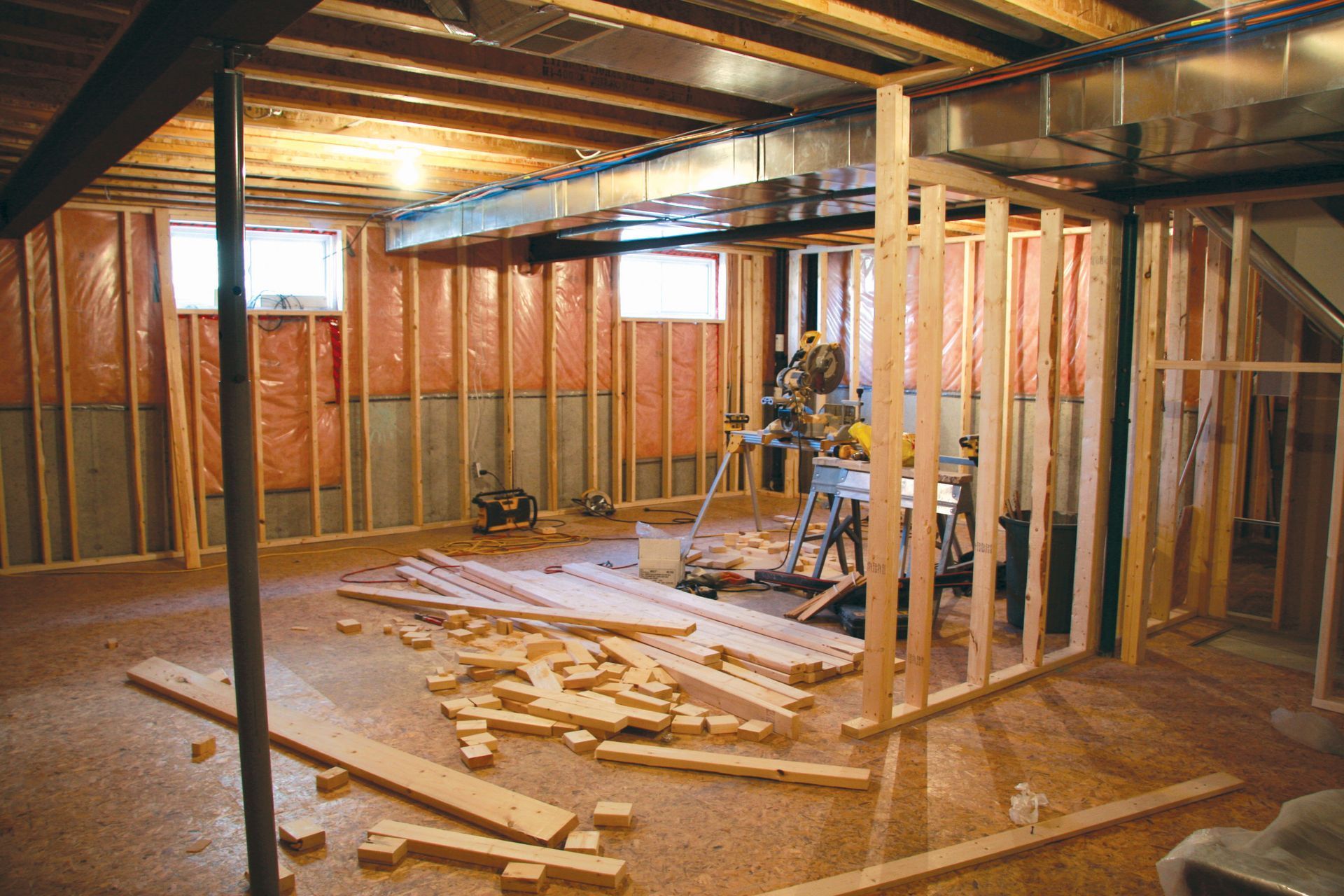
A home's durability begins with the materials that support its structure. Foundation components, framing lumber, concrete, fasteners, and other structural products all contribute to the stability of the finished building. Choosing dependable materials helps create a home that can withstand everyday use, seasonal temperature changes, moisture exposure, and other environmental conditions.
A knowledgeable custom house builder considers the specific demands of the property when selecting structural materials. Soil conditions, regional weather patterns, drainage requirements, and architectural plans can all influence which products are most appropriate. For example, properly selected concrete and reinforcement materials help support a stable foundation, while quality framing lumber contributes to the strength and reliability of walls, floors, and roof structures. Investing in these essential components establishes a dependable starting point for the entire project.
Improving Energy Efficiency Through Better Materials
Energy efficiency is another important consideration when choosing construction materials. Insulation, windows, exterior doors, roofing products, and air-sealing components all influence how effectively a home maintains comfortable indoor temperatures. Lower-quality products may allow unwanted heat transfer or air leakage, making heating and cooling systems work harder to maintain the desired environment.
High-performance insulation can help regulate indoor temperatures throughout the year, while energy-efficient windows reduce unwanted heat gain during warmer months and heat loss during colder seasons. Quality exterior doors and properly installed weather barriers provide additional protection against drafts and moisture. A custom house builder can recommend materials that work together to create a more efficient building envelope. These improvements can support consistent indoor comfort while helping homeowners manage their long-term utility expenses.
Protecting Your Home From Moisture and Weather Damage
Moisture is one of the most significant threats to a home's condition over time. Rain, snow, humidity, and plumbing leaks can contribute to deterioration when water finds its way into vulnerable areas. Roofing materials, siding, flashing, house wrap, drainage components, and waterproofing products all help protect the structure from unwanted moisture.
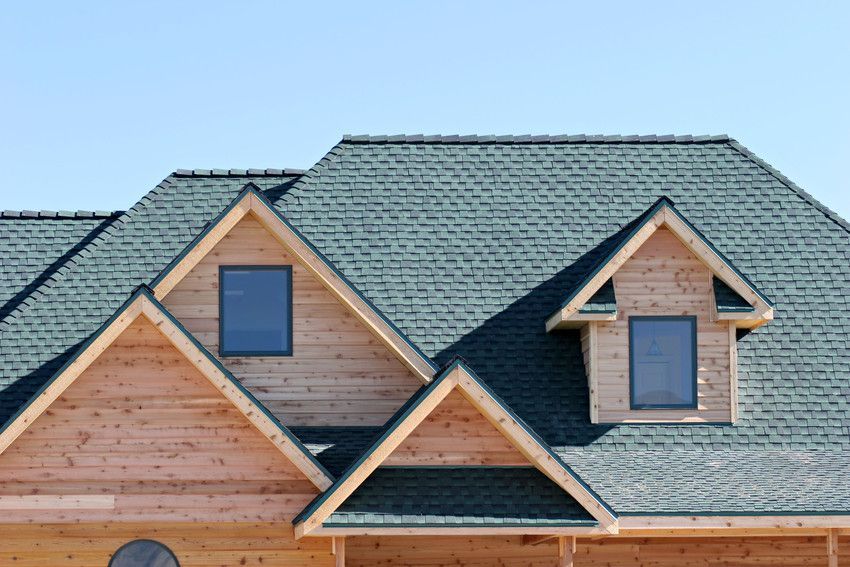
Selecting durable exterior materials is especially important in areas that experience heavy rainfall, freezing temperatures, strong winds, or significant seasonal changes. Quality roofing products can provide reliable protection against precipitation, while well-designed siding and properly installed flashing help direct water away from the building envelope. Moisture-resistant materials in bathrooms, kitchens, basements, and other vulnerable spaces can also reduce the likelihood of deterioration. An experienced custom house builder understands how these different components work together to protect the property.
Creating More Comfortable and Functional Interior Spaces
Interior materials have a direct influence on how a home looks, feels, and functions. Flooring, cabinetry, countertops, wall finishes, trim, and hardware are used regularly, so their quality can make a noticeable difference in everyday living. Products selected solely for their initial appearance may not always provide the durability needed for busy households.
For example, quality hardwood flooring can offer lasting beauty when properly maintained, while durable tile can provide a practical surface in bathrooms, laundry rooms, and entryways. Well-constructed cabinetry can withstand frequent opening and closing, and dependable countertop materials can resist the demands of daily food preparation. A custom house builder can help coordinate these selections so that each room combines attractive design with practical performance. Choosing materials based on how a space will be used helps create interiors that remain enjoyable and functional.
Increasing the Lifespan of Major Home Components
Many building materials are expected to perform for decades, but their actual lifespan depends on product quality, installation, maintenance, and environmental exposure. Roofing, siding, windows, flooring, plumbing components, and mechanical systems all represent important investments. Choosing dependable products at the beginning can reduce the likelihood of premature replacement and recurring repairs.
For instance, durable roofing materials can provide dependable protection for many years when installed correctly. Quality plumbing fixtures and components can help reduce problems associated with leaks, corrosion, and frequent use. Similarly, well-made windows and exterior doors can maintain their functionality while supporting insulation and weather resistance. A custom house builder who prioritizes reputable products helps homeowners make decisions with long-term performance in mind rather than focusing exclusively on upfront costs.
Enhancing Your Home's Appearance and Architectural Character
High-quality materials contribute to more than structural performance. They also help establish the visual character of a custom home. Natural stone, architectural woodwork, carefully selected brick, premium siding, and distinctive exterior finishes can give a property a polished appearance that complements its surroundings. Inside, attractive flooring, refined cabinetry, and thoughtfully selected fixtures create a cohesive design throughout the home.
Material quality can also influence how well different design elements age. Some finishes maintain their appearance with relatively little upkeep, while lower-grade alternatives may fade, scratch, chip, or deteriorate more quickly. An experienced custom house builder can help homeowners compare colors, textures, finishes, and product specifications to find options that align with their architectural vision. The result is a home where appearance and performance work together.
Supporting Healthier Indoor Air Quality
The materials used during construction can also affect the indoor environment. Paints, adhesives, sealants, flooring products, cabinetry, and insulation may release volatile organic compounds (VOCs) or other substances into indoor air. Selecting products with lower emissions can help limit the introduction of certain airborne chemicals into living spaces.
Homeowners can discuss low-VOC paints, certified flooring products, appropriate insulation materials, and carefully selected adhesives when planning their projects. Proper ventilation and moisture control are equally important because excess humidity can contribute to conditions that encourage mold growth. A custom house builder can help identify material options that support a healthier indoor environment without sacrificing durability or design preferences. These decisions are especially valuable in bedrooms, living areas, and other spaces where family members spend significant amounts of time.
Balancing Initial Costs With Long-Term Value
Material selection is an important part of establishing a realistic construction budget. Premium products may have higher purchase prices, but comparing materials based only on their initial costs can overlook important differences in durability, maintenance, energy performance, and replacement frequency. A less expensive product may require more frequent repairs or replacement, potentially increasing its overall cost throughout the life of the home.
According to the National Association of Home Builders, custom home building grew by 4% during the second quarter of 2025 despite broader housing market slowdowns. This growth highlights the continued interest in homes designed around individual preferences and priorities. Working with a custom house builder allows homeowners to discuss where premium materials can provide the greatest benefits and where more budget-conscious alternatives may be appropriate. A balanced approach helps direct resources toward the components that matter most.
Partnering with a custom house builder who values dependable materials helps homeowners look beyond immediate appearance and consider the lasting benefits of each selection. By prioritizing durability, energy efficiency, weather protection, and everyday functionality, homeowners can create a property that reflects their vision while supporting long-term value. If you're interested in a custom home in Florida, contact our team at Palmwood Construction today!